According to estimates, inflation adjustments to the Internal Revenue Code are expected to yield increases of 2.8 percent compared to 2024 amounts. This means wider tax brackets and increased exemptions, among other things. With the U.S. Bureau of Labor Statistics consumer price index (CPI) moderating, this increase is about 50 percent less than 2024’s inflation adjustment. Below, we’ll look at what the projected 2025 inflation adjustment means in terms of dollars and cents for you and your taxes.
Individual Income Tax Brackets
The tables below illustrate the individual income tax rates and brackets for 2025.
Individual Income Tax Brackets & Rates: Tax Year 2025
Single Taxpayers
10%
0 – $11,925
12%
$11,926 – $48,475
22%
$48,476 – $103,350
24%
$103,351 – $197,300
32%
$197,301 – $250,525
35%
$250,526 – $626,350
37%
$626,351 and Over
Married Filing Jointly
10%
0 – $23,850
12%
$23,851 – $96,950
22%
$96,951 – $206,700
24%
$206,701 – $394,600
32%
$394,601 – $501,050
35%
$501,051 – $751,600
37%
$751,601 and Over
Married Filing Separately
10%
0 – $11,925
12%
$11,926 – $48,475
22%
$48,476 – $103,350
24%
$103,351 – $197,300
32%
$197,301 – $250,525
35%
$250,526 – $375,800
37%
$375,801 and Over
Heads of Household
10%
0 – $17,000
12%
$17,001- $64,850
22%
$64,851 – $103,350
24%
$103,351 – $197,300
32%
$197,301 – $250,500
35%
$250,501 – $626,350
37%
$626,351 and Over
Trusts & Estates Tax Brackets
The table below illustrates what the income rates and brackets are expected to look like for Trusts and Estates in 2025.
Projected Trusts and Estates Tax Brackets & Rates: Tax Year 2025
10%
0 – $3,150
24%
$3,151- $11,450
35%
$11,451 – $15,650
37%
$15,651 and Over
Standard Deduction Amounts
The table below illustrates what the projected standard deduction amounts will be for 2025, with a comparison to 2024.
Projected Standard Deduction Amounts
2024
2025
Single
$14,600
$15,750
Married Filing Jointly
$29,200
$31,500
Married Filing Separately
$14,600
$15,750
Head of Household
$21,900
$23,625
Alternative Minimum Tax (AMT)
The table below illustrates the anticipated AMT exemptions for 2025.
AMT Exemption Amounts Tax Year 2025
Single
$88,100
Married Filing Jointly
$137,000
Married Filing Separately
$68,500
Trust & Estates
$30,700
Capital Gains
The rates applied to long-term capital gains are not expected to change for 2025; however, the brackets that apply to different rates will expand. Note that, in considering the table below, a 20 percent tax rate applies to capital gains that are over the 37 percent ordinary tax rate threshold. Furthermore, capital gains on art and collectibles are subject to other exceptions.
Maximum Capital Gains Rates for 2025
Zero Rate
15% Rate
Single
$48,350
$533,400
Married Filing Jointly
$96,700
$600,050
Married Filing Separately
$48,350
$300,000
Head of Household
$64,750
$566,700
Trusts & Estates
$3,250
$15,900
Conclusion
First, it’s important to remember that all the figures above are only projections. The IRS will not publish the official numbers until later this year. Moreover, as these rates and brackets have increased, they have done so significantly less than in 2024 and 2023, largely driven by lower inflation.
Alan F Burke CPA
2025 Federal Income Tax Brackets
November 1, 2024 · Blog, Tax and Financial News
⏱ 2 min read
According to estimates, inflation adjustments to the Internal Revenue Code are expected to yield increases of 2.8 percent compared to 2024 amounts. This means wider tax brackets and increased exemptions, among other things. With the U.S. Bureau of Labor Statistics consumer price index (CPI) moderating, this increase is about 50 percent less than 2024’s inflation adjustment. Below, we’ll look at what the projected 2025 inflation adjustment means in terms of dollars and cents for you and your taxes.
Individual Income Tax Brackets
The tables below illustrate the individual income tax rates and brackets for 2025.
Individual Income Tax Brackets & Rates: Tax Year 2025
Single Taxpayers
10%
0 – $11,925
12%
$11,926 – $48,475
22%
$48,476 – $103,350
24%
$103,351 – $197,300
32%
$197,301 – $250,525
35%
$250,526 – $626,350
37%
$626,351 and Over
Married Filing Jointly
10%
0 – $23,850
12%
$23,851 – $96,950
22%
$96,951 – $206,700
24%
$206,701 – $394,600
32%
$394,601 – $501,050
35%
$501,051 – $751,600
37%
$751,601 and Over
Married Filing Separately
10%
0 – $11,925
12%
$11,926 – $48,475
22%
$48,476 – $103,350
24%
$103,351 – $197,300
32%
$197,301 – $250,525
35%
$250,526 – $375,800
37%
$375,801 and Over
Heads of Household
10%
0 – $17,000
12%
$17,001- $64,850
22%
$64,851 – $103,350
24%
$103,351 – $197,300
32%
$197,301 – $250,500
35%
$250,501 – $626,350
37%
$626,351 and Over
Trusts & Estates Tax Brackets
The table below illustrates what the income rates and brackets are expected to look like for Trusts and Estates in 2025.
Projected Trusts and Estates Tax Brackets & Rates: Tax Year 2025
10%
0 – $3,150
24%
$3,151- $11,450
35%
$11,451 – $15,650
37%
$15,651 and Over
Standard Deduction Amounts
The table below illustrates what the projected standard deduction amounts will be for 2025, with a comparison to 2024.
Projected Standard Deduction Amounts
2024
2025
Single
$14,600
$15,750
Married Filing Jointly
$29,200
$31,500
Married Filing Separately
$14,600
$15,750
Head of Household
$21,900
$23,625
Alternative Minimum Tax (AMT)
The table below illustrates the anticipated AMT exemptions for 2025.
AMT Exemption Amounts Tax Year 2025
Single
$88,100
Married Filing Jointly
$137,000
Married Filing Separately
$68,500
Trust & Estates
$30,700
Capital Gains
The rates applied to long-term capital gains are not expected to change for 2025; however, the brackets that apply to different rates will expand. Note that, in considering the table below, a 20 percent tax rate applies to capital gains that are over the 37 percent ordinary tax rate threshold. Furthermore, capital gains on art and collectibles are subject to other exceptions.
Maximum Capital Gains Rates for 2025
Zero Rate
15% Rate
Single
$48,350
$533,400
Married Filing Jointly
$96,700
$600,050
Married Filing Separately
$48,350
$300,000
Head of Household
$64,750
$566,700
Trusts & Estates
$3,250
$15,900
Conclusion
First, it’s important to remember that all the figures above are only projections. The IRS will not publish the official numbers until later this year. Moreover, as these rates and brackets have increased, they have done so significantly less than in 2024 and 2023, largely driven by lower inflation.
Disclaimer
These articles provide general information on tax, accounting, and financial topics for small businesses and individuals. They are educational in nature and are not specific legal, accounting, financial, tax, or other professional advice, and should not be relied upon as such. This content was prepared by Service2Client and may have been reviewed or edited by the website owner for accuracy and compliance. Look for a trust mark below for verification details. No representation is made that any approach described will achieve a particular result, and no regulatory or professional body has reviewed or endorsed this content. Because each situation is different, readers should consult a qualified professional about their specific circumstances before acting. Images accompanying these articles are protected by copyright and may not be copied or reused.
This metric, which is also referred to as the cash cycle or the net operating cycle, looks at the time a business takes to recover its investment in inventory to eventually sell. The process starts from selling its goods, collecting on outstanding receivables or invoices, and satisfying its operating costs with the sale proceeds. It’s normally measured in days to determine the company’s financial health.
The less time necessary to complete the CCC, the healthier a company is financially because it means the business’ money spends less time tied up in inventory or collecting on outstanding inventory. It’s important to be mindful that different industries have different CCC time frames. Generally speaking, most calculations are done on either a quarterly (90 day) or an annual basis (365 days).
How to Calculate CCC
The formula is as follows:
(CCC) = Days Inventory Outstanding (DIO) + Days Sales Outstanding (DSO) − Days Payable Outstanding (DPO)
It can be broken down into three different stages:
Stage 1
Days Inventory Outstanding (DIO) looks at how many days the inventory takes to sell to customers. It’s calculated as follows:
DIO = (Average Inventory (AI) / COGS) x Time-Frame (In Days)
AI = 1/2 x (BI + FI)
BI = Beginning Inventory
FI = Final Inventory
It’s important to define COGS, taken from the Income Statement, which is Cost of Goods Sold or the costs personally connected to creation of goods or services (raw materials, labor or electricity). The lower the number, the faster a business is selling its goods.
Stage 2
Days Sales Outstanding (DSO) measures the time it takes the business to collect payment from all outstanding sales completed.
DSO = Average Accounts Receivable (AAR) / Daily Revenue
AAR = 1/2 x (SAR + FAR)
SAR = Starting AR
FAR = Final AR
Accounts Receivable are what companies record on their balance sheet to keep track of what customers owe for the goods delivered or services rendered. The lower the results, the better the company’s cash position is because they’re able to satisfy outstanding invoices.
Stage 3
Days Payable Outstanding (DPO) is the third and final stage that calculates how much businesses owe to their suppliers the business has sourced input materials from, within the time frame the suppliers’ invoices are due.
DPO = Average Accounts Payable (AAP) / Daily COGS
Where:
AAP = 0.5 x (SAP + FAP)
SAP = Starting AP
FAP = Final AP
COGS = Cost of Goods Sold
There are different ways to interpret the DPO result. A low DPO means the business is taking care of its bills from suppliers. However, potential investors, internal managers, and supervisors can see if the business can either negotiate lengthier payment terms while still maintaining good terms or if the company negotiates early payment terms or invests the money on a short-term basis to earn more for the company before paying suppliers’ bills. A high DPO, after an investigation of a company’s financials, might show the company is taking longer than its peers to pay creditors.
While calculating the CCC is relatively straightforward, the more complex process is interpreting it correctly and using judgment for a business based on industry averages and how the numbers relate to current economic conditions.
Alan F Burke CPA
Cash Conversion Cycle (CCC) Defined
November 1, 2024 · Blog, General Business News
⏱ 3 min read
This metric, which is also referred to as the cash cycle or the net operating cycle, looks at the time a business takes to recover its investment in inventory to eventually sell. The process starts from selling its goods, collecting on outstanding receivables or invoices, and satisfying its operating costs with the sale proceeds. It’s normally measured in days to determine the company’s financial health.
The less time necessary to complete the CCC, the healthier a company is financially because it means the business’ money spends less time tied up in inventory or collecting on outstanding inventory. It’s important to be mindful that different industries have different CCC time frames. Generally speaking, most calculations are done on either a quarterly (90 day) or an annual basis (365 days).
How to Calculate CCC
The formula is as follows:
(CCC) = Days Inventory Outstanding (DIO) + Days Sales Outstanding (DSO) − Days Payable Outstanding (DPO)
It can be broken down into three different stages:
Stage 1
Days Inventory Outstanding (DIO) looks at how many days the inventory takes to sell to customers. It’s calculated as follows:
DIO = (Average Inventory (AI) / COGS) x Time-Frame (In Days)
AI = 1/2 x (BI + FI)
BI = Beginning Inventory
FI = Final Inventory
It’s important to define COGS, taken from the Income Statement, which is Cost of Goods Sold or the costs personally connected to creation of goods or services (raw materials, labor or electricity). The lower the number, the faster a business is selling its goods.
Stage 2
Days Sales Outstanding (DSO) measures the time it takes the business to collect payment from all outstanding sales completed.
DSO = Average Accounts Receivable (AAR) / Daily Revenue
AAR = 1/2 x (SAR + FAR)
SAR = Starting AR
FAR = Final AR
Accounts Receivable are what companies record on their balance sheet to keep track of what customers owe for the goods delivered or services rendered. The lower the results, the better the company’s cash position is because they’re able to satisfy outstanding invoices.
Stage 3
Days Payable Outstanding (DPO) is the third and final stage that calculates how much businesses owe to their suppliers the business has sourced input materials from, within the time frame the suppliers’ invoices are due.
DPO = Average Accounts Payable (AAP) / Daily COGS
Where:
AAP = 0.5 x (SAP + FAP)
SAP = Starting AP
FAP = Final AP
COGS = Cost of Goods Sold
There are different ways to interpret the DPO result. A low DPO means the business is taking care of its bills from suppliers. However, potential investors, internal managers, and supervisors can see if the business can either negotiate lengthier payment terms while still maintaining good terms or if the company negotiates early payment terms or invests the money on a short-term basis to earn more for the company before paying suppliers’ bills. A high DPO, after an investigation of a company’s financials, might show the company is taking longer than its peers to pay creditors.
While calculating the CCC is relatively straightforward, the more complex process is interpreting it correctly and using judgment for a business based on industry averages and how the numbers relate to current economic conditions.
Disclaimer
These articles provide general information on tax, accounting, and financial topics for small businesses and individuals. They are educational in nature and are not specific legal, accounting, financial, tax, or other professional advice, and should not be relied upon as such. This content was prepared by Service2Client and may have been reviewed or edited by the website owner for accuracy and compliance. Look for a trust mark below for verification details. No representation is made that any approach described will achieve a particular result, and no regulatory or professional body has reviewed or endorsed this content. Because each situation is different, readers should consult a qualified professional about their specific circumstances before acting. Images accompanying these articles are protected by copyright and may not be copied or reused.
It’s that time of year again. Halloween has just come and gone – and now we’re hurtling headlong into Thanksgiving and Christmas. For holiday shopping, it’s tempting to turn a blind eye and put everything on your credit cards. However, if you don’t want to have a financial hangover in January, February (and so on), you might want to take a look at these tips.
Create a Budget and Stick To It
The earlier you sit down and do this, the better. Decide on a financial cap per gift per person, then shop. Then, get creative. For instance, what if you bought a pre-loved item for someone? Made something for someone? You might also decide on a gift, then shop around and compare. So, when Black Friday and Prime Days raise their heads, you’ll already have made your selections. More on that below.
Put a Lid on Impulse Buying
This is a tough one. As mentioned above, Prime Day and Black Friday are hard to avoid. They scream at you on your TV and phone scroll, so it’s easy to get off track. If you want to avoid runaway spending, here are two ways to approach these retail spectacles. First, you can keep an eye on which item you want – then plan and research. Buy it when the price is crazy low, and walk away from all the frenzy, all the while tracking your spending. Second, you can dive right in, browse all you want, then put some things in your cart. But don’t buy it then. Come back a day later and decide if the purchase is really necessary. At this moment, you might also imagine the pain you could feel in 2025 with a bunch of debt hanging over your head. Employing this mindset could make all the difference.
Use Your Credit Cards Wisely
According to Jennifer Ellis, senior consumer manager at BOK Financial, credit card debt is on the rise. And with high interest rates, if you do have a balance, you’re going to pay more for your items. Before you set out to buy gifts, try to pay your credit card balances in full to avoid big fees. This way, you won’t carry the burden of a lot of debt into the new year.
Try Envelope Stuffing
This is an old trick, but a good one. Get envelopes, put the name of your giftee on the front, then put the amount of money you’re going to spend in it. Once you’ve used up the cash in the envelope for said person, you’re done. Also, using cash is more startling – you see the money go bye-bye! It’s so easy to gloss over the actual cash amount when you’re using plastic, as it almost doesn’t seem real. Working with real moolah is a tried-and-true technique, a wake-up call that you’ll appreciate.
Plan Early for Travel
Buy your tickets early for Thanksgiving and the December holidays. Monitor airline, bus, and train websites. Set alerts to notify you when the prices go up or down. All it takes is a little time and elbow grease. In the end, it’s worth it.
Most importantly, having a financial plan during this time of year is key. Yes, life is busy, but if you want to step into the new year without carrying the shackles of debt, using some of these ideas might be your saving grace.
It’s that time of year again. Halloween has just come and gone – and now we’re hurtling headlong into Thanksgiving and Christmas. For holiday shopping, it’s tempting to turn a blind eye and put everything on your credit cards. However, if you don’t want to have a financial hangover in January, February (and so on), you might want to take a look at these tips.
Create a Budget and Stick To It
The earlier you sit down and do this, the better. Decide on a financial cap per gift per person, then shop. Then, get creative. For instance, what if you bought a pre-loved item for someone? Made something for someone? You might also decide on a gift, then shop around and compare. So, when Black Friday and Prime Days raise their heads, you’ll already have made your selections. More on that below.
Put a Lid on Impulse Buying
This is a tough one. As mentioned above, Prime Day and Black Friday are hard to avoid. They scream at you on your TV and phone scroll, so it’s easy to get off track. If you want to avoid runaway spending, here are two ways to approach these retail spectacles. First, you can keep an eye on which item you want – then plan and research. Buy it when the price is crazy low, and walk away from all the frenzy, all the while tracking your spending. Second, you can dive right in, browse all you want, then put some things in your cart. But don’t buy it then. Come back a day later and decide if the purchase is really necessary. At this moment, you might also imagine the pain you could feel in 2025 with a bunch of debt hanging over your head. Employing this mindset could make all the difference.
Use Your Credit Cards Wisely
According to Jennifer Ellis, senior consumer manager at BOK Financial, credit card debt is on the rise. And with high interest rates, if you do have a balance, you’re going to pay more for your items. Before you set out to buy gifts, try to pay your credit card balances in full to avoid big fees. This way, you won’t carry the burden of a lot of debt into the new year.
Try Envelope Stuffing
This is an old trick, but a good one. Get envelopes, put the name of your giftee on the front, then put the amount of money you’re going to spend in it. Once you’ve used up the cash in the envelope for said person, you’re done. Also, using cash is more startling – you see the money go bye-bye! It’s so easy to gloss over the actual cash amount when you’re using plastic, as it almost doesn’t seem real. Working with real moolah is a tried-and-true technique, a wake-up call that you’ll appreciate.
Plan Early for Travel
Buy your tickets early for Thanksgiving and the December holidays. Monitor airline, bus, and train websites. Set alerts to notify you when the prices go up or down. All it takes is a little time and elbow grease. In the end, it’s worth it.
Most importantly, having a financial plan during this time of year is key. Yes, life is busy, but if you want to step into the new year without carrying the shackles of debt, using some of these ideas might be your saving grace.
These articles provide general information on tax, accounting, and financial topics for small businesses and individuals. They are educational in nature and are not specific legal, accounting, financial, tax, or other professional advice, and should not be relied upon as such. This content was prepared by Service2Client and may have been reviewed or edited by the website owner for accuracy and compliance. Look for a trust mark below for verification details. No representation is made that any approach described will achieve a particular result, and no regulatory or professional body has reviewed or endorsed this content. Because each situation is different, readers should consult a qualified professional about their specific circumstances before acting. Images accompanying these articles are protected by copyright and may not be copied or reused.

 According to estimates, inflation adjustments to the Internal Revenue Code are expected to yield increases of 2.8 percent compared to 2024 amounts. This means wider tax brackets and increased exemptions, among other things. With the U.S. Bureau of Labor Statistics consumer price index (CPI) moderating, this increase is about 50 percent less than 2024’s inflation adjustment. Below, we’ll look at what the projected 2025 inflation adjustment means in terms of dollars and cents for you and your taxes.


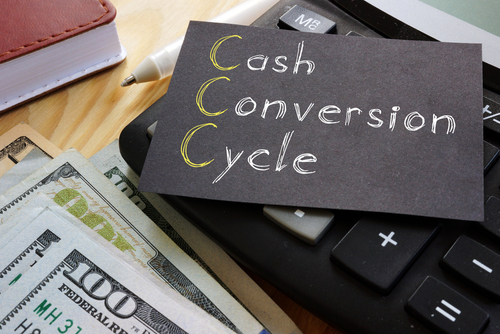 This metric, which is also referred to as the cash cycle or the net operating cycle, looks at the time a business takes to recover its investment in inventory to eventually sell. The process starts from selling its goods, collecting on outstanding receivables or invoices, and satisfying its operating costs with the sale proceeds. It’s normally measured in days to determine the company’s financial health.
 It’s that time of year again. Halloween has just come and gone – and now we’re hurtling headlong into Thanksgiving and Christmas. For holiday shopping, it’s tempting to turn a blind eye and put everything on your credit cards. However, if you don’t want to have a financial hangover in January, February (and so on), you might want to take a look at these tips.