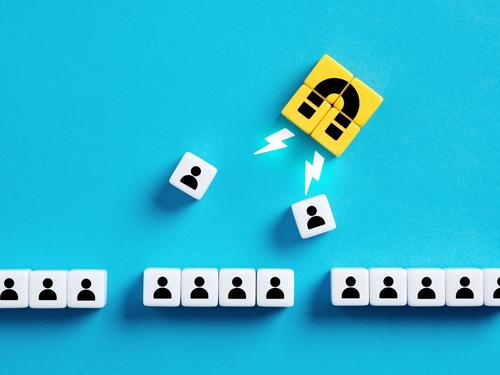
The CAC Payback Period looks at how a business needs to recover its investment in attracting new customers. It is especially crucial for companies that are in industries with large marketing and sales costs. It’s an important metric because it helps businesses measure their performance in a number of ways.
First, it shows how well a business is managing its budget. Based on the resulting figure of the CAC Payback Period, the shorter the time required to break even on its customer acquisition costs, the more efficient a company is with its sales and marketing expenses. If, however, the result is high, this signals the company is doing something wrong and needs to analyze its current approach.
Running this analysis can also identify a company’s financial perils. The more prolonged the CAC Payback Period, the more likely a company might be facing cash flow concerns. Whether it is caused by overall economic conditions or industry or company-specific challenges, this is another reason for a company to run the numbers to see how it can mitigate or turn around the costs associated with acquiring customers.
The calculation also can help a business determine if it is able to expand to new products and markets and scale up existing product lines. The shorter the time needed to acquire new customers, the more likely a business can grow.
When investors and lenders analyze a company’s financials, including this metric, the more efficient a company is, and the more likely it will attract investors or have lenders offer favorable financing terms.
How to Calculate the CAC Payback Period
This scenario looks at $300,000 in customer acquisition costs, such as marketing, sales, etc., for a three-month period. The company obtained 1,000 new customers and is expected to gain $200,000 in new monthly recurring revenue (MRR), with an estimated gross margin of 60 percent.
First Step: Calculate the CAC by dividing Sales and Marketing Expenses by the new customers (1,000). It’s expressed as follows:
CAC = Sales and Marketing Expenses/Number of New Customers
CAC = $300,000/1,000 = $300 per customer
Second Step: This is to determine the monthly recurring revenue (MRR) per customer. The new MRR amount is divided by the number of newly acquired customers. It’s calculated as follows:
MRR = $200,000/1,000 = $200 per customer
Third Step: Determine the gross margin or how much remains from revenue after subtracting direct costs. In this case, we’ll use 60 percent.
Fourth (and Final) Step: This step determines how many months it will take to recoup the customer acquisition costs from the profits generated by the newly acquired customer. It’s calculated as follows:
CAC Payback Period = $300/($200 x 0.60) = 2.5
Based on the resulting 2.5 figure, it takes, on average, 2.5 months of profit from the newly acquired customers to pay for the customer’s acquisition cost.
Understanding CAC Payback Period Efficiency
If it’s less than 12 months, it’s favorable. This implies a business has an efficient approach to profitability and growth. However, it’s not a hard and fast rule because the repayment time frame can fluctuate based on the economy and the business operations. If a company is a low-margin business or industry (e-commerce, groceries, etc.), a far tighter payback time frame would be necessary to be viable.
There are many factors that can affect this company-specific measurement, such as the industry or sector, current economic conditions, or the business’ approach to gaining new customers. If a company has a shorter CAC Payback Period in an industry that has a generally accepted longer one, this can imply that the company is more efficient in its operations.
This metric is another tool in a financial analyst’s toolbox that can measure and identify efficiency (or lack thereof) and help put businesses back on track for greater financial health.
Alan F Burke CPA
Calculating the CAC Payback Period
January 1, 2025 · Blog, General Business News
⏱ 4 min read
The CAC Payback Period looks at how a business needs to recover its investment in attracting new customers. It is especially crucial for companies that are in industries with large marketing and sales costs. It’s an important metric because it helps businesses measure their performance in a number of ways.
First, it shows how well a business is managing its budget. Based on the resulting figure of the CAC Payback Period, the shorter the time required to break even on its customer acquisition costs, the more efficient a company is with its sales and marketing expenses. If, however, the result is high, this signals the company is doing something wrong and needs to analyze its current approach.
Running this analysis can also identify a company’s financial perils. The more prolonged the CAC Payback Period, the more likely a company might be facing cash flow concerns. Whether it is caused by overall economic conditions or industry or company-specific challenges, this is another reason for a company to run the numbers to see how it can mitigate or turn around the costs associated with acquiring customers.
The calculation also can help a business determine if it is able to expand to new products and markets and scale up existing product lines. The shorter the time needed to acquire new customers, the more likely a business can grow.
When investors and lenders analyze a company’s financials, including this metric, the more efficient a company is, and the more likely it will attract investors or have lenders offer favorable financing terms.
How to Calculate the CAC Payback Period
This scenario looks at $300,000 in customer acquisition costs, such as marketing, sales, etc., for a three-month period. The company obtained 1,000 new customers and is expected to gain $200,000 in new monthly recurring revenue (MRR), with an estimated gross margin of 60 percent.
First Step: Calculate the CAC by dividing Sales and Marketing Expenses by the new customers (1,000). It’s expressed as follows:
CAC = Sales and Marketing Expenses/Number of New Customers
CAC = $300,000/1,000 = $300 per customer
Second Step: This is to determine the monthly recurring revenue (MRR) per customer. The new MRR amount is divided by the number of newly acquired customers. It’s calculated as follows:
MRR = $200,000/1,000 = $200 per customer
Third Step: Determine the gross margin or how much remains from revenue after subtracting direct costs. In this case, we’ll use 60 percent.
Fourth (and Final) Step: This step determines how many months it will take to recoup the customer acquisition costs from the profits generated by the newly acquired customer. It’s calculated as follows:
CAC Payback Period = $300/($200 x 0.60) = 2.5
Based on the resulting 2.5 figure, it takes, on average, 2.5 months of profit from the newly acquired customers to pay for the customer’s acquisition cost.
Understanding CAC Payback Period Efficiency
If it’s less than 12 months, it’s favorable. This implies a business has an efficient approach to profitability and growth. However, it’s not a hard and fast rule because the repayment time frame can fluctuate based on the economy and the business operations. If a company is a low-margin business or industry (e-commerce, groceries, etc.), a far tighter payback time frame would be necessary to be viable.
There are many factors that can affect this company-specific measurement, such as the industry or sector, current economic conditions, or the business’ approach to gaining new customers. If a company has a shorter CAC Payback Period in an industry that has a generally accepted longer one, this can imply that the company is more efficient in its operations.
This metric is another tool in a financial analyst’s toolbox that can measure and identify efficiency (or lack thereof) and help put businesses back on track for greater financial health.
Disclaimer
These articles provide general information on tax, accounting, and financial topics for small businesses and individuals. They are educational in nature and are not specific legal, accounting, financial, tax, or other professional advice, and should not be relied upon as such. This content was prepared by Service2Client and may have been reviewed or edited by the website owner for accuracy and compliance. Look for a trust mark below for verification details. No representation is made that any approach described will achieve a particular result, and no regulatory or professional body has reviewed or endorsed this content. Because each situation is different, readers should consult a qualified professional about their specific circumstances before acting. Images accompanying these articles are protected by copyright and may not be copied or reused.
The holiday season is when most people go on shopping sprees and travel. This season also witnesses a surge in online activities in today’s digital world. Unfortunately, cybercriminals take advantage of this period to launch attacks. Therefore, cybersecurity should be the top priority for a business gearing up for peak sales or a shopper looking for the best deal.
Understanding Holiday Cyber Threats
Businesses and consumers face unique challenges during the holiday season. For businesses, the increase in traffic and online transactions can overwhelm systems. This may make them vulnerable to attacks. Cybercriminals may use tactics such as ransomware, phishing scams and fraudulent transactions during the busy season. Consumers, on the other hand, get lured by malicious ads, fake websites and phishing emails that may appear as irresistible holiday deals.
Recognizing these risks is important to staying safe for both businesses and consumers. Understanding them also means taking proactive measures to reduce exposure to cyber threats.
Why Cybersecurity Matters
The lack of effective cybersecurity can lead to financial loss, reputational damage and disruption to a businesses’ operations. On the other hand, consumers face identity theft, unauthorized purchases and compromised financial accounts.
According to the Retail and Hospitality Information Sharing and Analysis Center (RH-ISAC), threats such as ransomware, phishing, and account takeover (ATO) attacks intensify as consumer activity surges. In their 2024 Holiday Season Cyber Threat Trends Report, RH-ISAC emphasizes proactive defense measures, especially during high-traffic periods like the holiday season.
Cybersecurity Best Practices for Businesses
Security measures for businesses include:
Set up a holiday strategy – over the long holidays, businesses tend to have a change in work schedules and fewer staff members. Having a holiday cybersecurity strategy can safeguard against potential cyber threats. This can include an emergency response plan and designating responsible individuals for cybersecurity.
Endpoint security – this involves protecting devices like computers and smartphones used in the business. It is important to update all software, install antivirus programs and enable firewalls to shield the business network from intrusions.
Employee training – human error is one of the leading causes of data breaches. Therefore, it is important to educate staff to recognize phishing attempts. They should also know the importance of strong passwords and reporting suspicious activity.
Monitoring systems for unusual activity – This requires a business to invest in tools that help detect suspicious behavior in its networks. This should include fraud detection systems that will help identify unusual transaction patterns. It also helps detect potential compromises from third-party vendors.
Backup and recovery plan – business continuity in case of an attack is crucial. Therefore, a business should ensure that data is regularly backed up and stored securely. It also helps to test the recovery process regularly.
Cybersecurity Best Practices for Shoppers
Consumers are not immune to holiday cyber-attacks. A consumer must keep the following in mind:
Shop from secure websites – shoppers should be cautious by checking website security. They should check that a website includes “https://” and a padlock icon in the URL. Also, confirm the correct name of the website. It is also important to avoid clicking on links from unsolicited emails or social media ads. This is a common phishing tactic.
Use secure payment methods – a credit card provides better fraud protection than a debit card. Consider digital wallets that have an extra layer of encryption. It is also crucial to avoid saving payment details on websites.
Avoid public wi-fi – shopping on the go may see some shoppers use public networks. These networks expose data to hackers.
Be wary of emails and messages with deals that sound too good to be true. Always verify sender authentication and, where necessary, contact the company directly.
Be cautious about unexpected package notifications. Unexpected package notifications can be a phishing tactic to steal personal information or install malware. Always verify the sender and avoid clicking on links in unsolicited messages.
Be cautious of holiday scams like fake charities, gift card scams and fake gift exchanges that prey on the season’s generosity and excitement. Scammers may trick customers into buying gift cards or sharing personal details through fraudulent schemes. Staying skeptical of unsolicited offers and never sharing sensitive information with unverified sources will help ward off cybercriminal attacks.
Activate multi-factor authentication (MFA) – adding MFA creates an extra layer of security for highly sensitive accounts such as email, bank, and work-related logins.
Closing Thoughts
The holiday season is meant to be a time of celebration and connection, not worry and stress. By implementing robust cybersecurity practices, businesses can protect their operations and customers while shoppers enjoy safe, hassle-free transactions.
Alan F Burke CPA
Cybersecurity Best Practices for the Holiday Season
December 1, 2024 · Blog, What's New in Technology
⏱ 4 min read
The holiday season is when most people go on shopping sprees and travel. This season also witnesses a surge in online activities in today’s digital world. Unfortunately, cybercriminals take advantage of this period to launch attacks. Therefore, cybersecurity should be the top priority for a business gearing up for peak sales or a shopper looking for the best deal.
Understanding Holiday Cyber Threats
Businesses and consumers face unique challenges during the holiday season. For businesses, the increase in traffic and online transactions can overwhelm systems. This may make them vulnerable to attacks. Cybercriminals may use tactics such as ransomware, phishing scams and fraudulent transactions during the busy season. Consumers, on the other hand, get lured by malicious ads, fake websites and phishing emails that may appear as irresistible holiday deals.
Recognizing these risks is important to staying safe for both businesses and consumers. Understanding them also means taking proactive measures to reduce exposure to cyber threats.
Why Cybersecurity Matters
The lack of effective cybersecurity can lead to financial loss, reputational damage and disruption to a businesses’ operations. On the other hand, consumers face identity theft, unauthorized purchases and compromised financial accounts.
According to the Retail and Hospitality Information Sharing and Analysis Center (RH-ISAC), threats such as ransomware, phishing, and account takeover (ATO) attacks intensify as consumer activity surges. In their 2024 Holiday Season Cyber Threat Trends Report, RH-ISAC emphasizes proactive defense measures, especially during high-traffic periods like the holiday season.
Cybersecurity Best Practices for Businesses
Security measures for businesses include:
Set up a holiday strategy – over the long holidays, businesses tend to have a change in work schedules and fewer staff members. Having a holiday cybersecurity strategy can safeguard against potential cyber threats. This can include an emergency response plan and designating responsible individuals for cybersecurity.
Endpoint security – this involves protecting devices like computers and smartphones used in the business. It is important to update all software, install antivirus programs and enable firewalls to shield the business network from intrusions.
Employee training – human error is one of the leading causes of data breaches. Therefore, it is important to educate staff to recognize phishing attempts. They should also know the importance of strong passwords and reporting suspicious activity.
Monitoring systems for unusual activity – This requires a business to invest in tools that help detect suspicious behavior in its networks. This should include fraud detection systems that will help identify unusual transaction patterns. It also helps detect potential compromises from third-party vendors.
Backup and recovery plan – business continuity in case of an attack is crucial. Therefore, a business should ensure that data is regularly backed up and stored securely. It also helps to test the recovery process regularly.
Cybersecurity Best Practices for Shoppers
Consumers are not immune to holiday cyber-attacks. A consumer must keep the following in mind:
Shop from secure websites – shoppers should be cautious by checking website security. They should check that a website includes “https://” and a padlock icon in the URL. Also, confirm the correct name of the website. It is also important to avoid clicking on links from unsolicited emails or social media ads. This is a common phishing tactic.
Use secure payment methods – a credit card provides better fraud protection than a debit card. Consider digital wallets that have an extra layer of encryption. It is also crucial to avoid saving payment details on websites.
Avoid public wi-fi – shopping on the go may see some shoppers use public networks. These networks expose data to hackers.
Be wary of emails and messages with deals that sound too good to be true. Always verify sender authentication and, where necessary, contact the company directly.
Be cautious about unexpected package notifications. Unexpected package notifications can be a phishing tactic to steal personal information or install malware. Always verify the sender and avoid clicking on links in unsolicited messages.
Be cautious of holiday scams like fake charities, gift card scams and fake gift exchanges that prey on the season’s generosity and excitement. Scammers may trick customers into buying gift cards or sharing personal details through fraudulent schemes. Staying skeptical of unsolicited offers and never sharing sensitive information with unverified sources will help ward off cybercriminal attacks.
Activate multi-factor authentication (MFA) – adding MFA creates an extra layer of security for highly sensitive accounts such as email, bank, and work-related logins.
Closing Thoughts
The holiday season is meant to be a time of celebration and connection, not worry and stress. By implementing robust cybersecurity practices, businesses can protect their operations and customers while shoppers enjoy safe, hassle-free transactions.
Disclaimer
These articles provide general information on tax, accounting, and financial topics for small businesses and individuals. They are educational in nature and are not specific legal, accounting, financial, tax, or other professional advice, and should not be relied upon as such. This content was prepared by Service2Client and may have been reviewed or edited by the website owner for accuracy and compliance. Look for a trust mark below for verification details. No representation is made that any approach described will achieve a particular result, and no regulatory or professional body has reviewed or endorsed this content. Because each situation is different, readers should consult a qualified professional about their specific circumstances before acting. Images accompanying these articles are protected by copyright and may not be copied or reused.
The coming shakeup of the executive branch, along with Republican control of both houses of Congress, means tax changes are highly likely in 2025 and beyond. Positioning for new and amended tax provisions is already off to the races.
Regardless of the political landscape, on rare occasions, some measures have broad bipartisan support. One such bill is called the Methane Reduction and Economic Growth Act. It proposes adding a new credit for sequestering “qualified” methane from mining activities.
Looking Ahead To 2025
Proponents of the Methane Reduction and Economic Growth Act hope the tax credit will have a beneficial economic impact and create jobs. The idea is to capture and utilize the methane for productive industrial uses or as an alternative for heating buildings. The methane emitted by mines that qualify have long lifespans, with some abandoned mines emitting methane for up to 100 years. The long lifespan of the methane source is hoped to support the significant capital investment required to get the process up and running.
There is also significant potential for job creation in areas most impacted by the shutdown of coal-fired power plants, which in turn devastated the coal mining industry. The concept of using mine methane as an energy source could support rural American jobs.
Landscape and Potential for the Credit
There is a lot of mine methane to capture, with most not currently being captured. The U.S. government estimates abandoned coal mines produce about 237,000 metric tons annually. This methane has many potential uses, including hydrogen production.
Details on the New Subsection
The new section of 45Q credits would be based on the quantity of qualified methane that is sequestered. The captured methane must then be sent to the pipeline and used for producing heat or electricity. To be considered “qualified methane,” it must be captured from certain types of mines, including closed, abandoned, and surface mines. Finally, the methane captured must have otherwise been sent into the atmosphere if it had not been for the capture equipment activity.
Only qualified facilities may obtain the credit. Among other factors, the taxpayer needs to capture a minimum of 2,500 metric tons of methane each year to qualify. There are a lot more technical regulatory requirements related to the specific nature of methane capture, but those are beyond the scope of this article.
Conclusion
Typically, tax bills are split down the aisle based on political partisanship. This makes the passage of tax legislation difficult at best due to competing interests and a divided government. The tax credits related to methane capture, however, appear to be unusually bipartisan in nature. This is due to the unique intersection of democratic support from an environmental and climate perspective, meeting with Republican interest to support economic development in rural coal mining areas where the industry has been devastated. Put these two interests together, and you have the makings for a widely supported bipartisan bill that is very likely to pass.
Alan F Burke CPA
Energy Tax Credit Changes For 2025
December 1, 2024 · Blog, Guest Article of the Month
⏱ 3 min read
The coming shakeup of the executive branch, along with Republican control of both houses of Congress, means tax changes are highly likely in 2025 and beyond. Positioning for new and amended tax provisions is already off to the races.
Regardless of the political landscape, on rare occasions, some measures have broad bipartisan support. One such bill is called the Methane Reduction and Economic Growth Act. It proposes adding a new credit for sequestering “qualified” methane from mining activities.
Looking Ahead To 2025
Proponents of the Methane Reduction and Economic Growth Act hope the tax credit will have a beneficial economic impact and create jobs. The idea is to capture and utilize the methane for productive industrial uses or as an alternative for heating buildings. The methane emitted by mines that qualify have long lifespans, with some abandoned mines emitting methane for up to 100 years. The long lifespan of the methane source is hoped to support the significant capital investment required to get the process up and running.
There is also significant potential for job creation in areas most impacted by the shutdown of coal-fired power plants, which in turn devastated the coal mining industry. The concept of using mine methane as an energy source could support rural American jobs.
Landscape and Potential for the Credit
There is a lot of mine methane to capture, with most not currently being captured. The U.S. government estimates abandoned coal mines produce about 237,000 metric tons annually. This methane has many potential uses, including hydrogen production.
Details on the New Subsection
The new section of 45Q credits would be based on the quantity of qualified methane that is sequestered. The captured methane must then be sent to the pipeline and used for producing heat or electricity. To be considered “qualified methane,” it must be captured from certain types of mines, including closed, abandoned, and surface mines. Finally, the methane captured must have otherwise been sent into the atmosphere if it had not been for the capture equipment activity.
Only qualified facilities may obtain the credit. Among other factors, the taxpayer needs to capture a minimum of 2,500 metric tons of methane each year to qualify. There are a lot more technical regulatory requirements related to the specific nature of methane capture, but those are beyond the scope of this article.
Conclusion
Typically, tax bills are split down the aisle based on political partisanship. This makes the passage of tax legislation difficult at best due to competing interests and a divided government. The tax credits related to methane capture, however, appear to be unusually bipartisan in nature. This is due to the unique intersection of democratic support from an environmental and climate perspective, meeting with Republican interest to support economic development in rural coal mining areas where the industry has been devastated. Put these two interests together, and you have the makings for a widely supported bipartisan bill that is very likely to pass.
Disclaimer
These articles provide general information on tax, accounting, and financial topics for small businesses and individuals. They are educational in nature and are not specific legal, accounting, financial, tax, or other professional advice, and should not be relied upon as such. This content was prepared by Service2Client and may have been reviewed or edited by the website owner for accuracy and compliance. Look for a trust mark below for verification details. No representation is made that any approach described will achieve a particular result, and no regulatory or professional body has reviewed or endorsed this content. Because each situation is different, readers should consult a qualified professional about their specific circumstances before acting. Images accompanying these articles are protected by copyright and may not be copied or reused.

 The CAC Payback Period looks at how a business needs to recover its investment in attracting new customers. It is especially crucial for companies that are in industries with large marketing and sales costs. It’s an important metric because it helps businesses measure their performance in a number of ways.


 The holiday season is when most people go on shopping sprees and travel. This season also witnesses a surge in online activities in today’s digital world. Unfortunately, cybercriminals take advantage of this period to launch attacks. Therefore, cybersecurity should be the top priority for a business gearing up for peak sales or a shopper looking for the best deal.
 The coming shakeup of the executive branch, along with Republican control of both houses of Congress, means tax changes are highly likely in 2025 and beyond. Positioning for new and amended tax provisions is already off to the races.