Step 6: Looking to Legacy Planning to Address Future Needs of Family
How do you want to be remembered? People often view their legacy as a way of disseminating assets to charitable venues to be remembered as passionate and generous supporters. That is one aspect of a legacy.
But perhaps the most important legacy plan is how you want to be remembered by your family, friends and loved ones. If you do not develop an estate plan and communicate it with your loved ones, if you leave your financial accounts and investments in a state of disarray by not keeping files organized and beneficiaries updated, then you leave a huge burden behind when you pass away.
This may very well mar the fine memory your loved ones have for you. After all, having to manage a complex or messy estate over a long period of time could overwrite the previously fond memories they had for you. No one wants their legacy blemished by administrative chaos, so now is the time to get your financial house and estate plan in order. Don’t let the last memories of you be ones of aggravation and bitterness.
Repair and Strengthen Relationships
If you are estranged or have an uncomfortable relationship with someone close to you, do yourself and them a favor by rectifying the situation. This may take time, so begin the process during your pre-retirement planning phase. Remember, no one wants to die having said harsh last words or having not seen a loved one for a long time.
Make part of your plan a commitment to shore up relationships. You can start by making a list of people with whom you should contact, jotting down a few thoughts about what you want to communicate, and devising a plan for how to accomplish this. It might be a special weekend with each of your children, or inviting a long-lost sibling to take a vacation with you, or taking your spouse out to dinner and reiterating your love for one another. Remember, your legacy is about how you want to be remembered, so make some new memories to crowd out any poor ones.
First, Loved Ones; Then Philanthropy
Once your relationships are in good shape (which takes ongoing maintenance – it’s not a one-shot deal), turn your attention to your philanthropic legacy. This includes how you want to distribute your assets to both your family and the causes you care about.
The following are some key components of a legacy plan:
Wealth Transfer
Be sure that your estate plan efficiently communicates and transfers your assets to the appropriate heirs. It also should incorporate prudent tax planning so that your beneficiaries do not pay more in taxes than required. Remember, part of your legacy will be determined by how well you protect your assets, not just from taxes but also from creditors, divorce settlements, and other potential risks.
Education
Leaving a large sum to heirs can be overwhelming. It’s a good idea to help them learn about financial responsibility, wealth management and philanthropy. By helping them understand tactics about which assets to leave intact, which to transfer to other accounts and which they can liquidate for their own use – in a tax-proficient manner – is key to ensuring they’re ready to manage the legacy you pass on.
Charitable Giving
There is a range of sophisticated vehicles that allow you to maximize the long-term value of gifted assets to charitable and passion causes. For example, a donor-advised fund (DAF) enables you to donate cash or securities to a charity-sponsored fund and help direct where charitable grants are distributed. Another option is to set up a private foundation. This is a public 501(c)(3) organization that invests, manages, and distributes your donations to charities; however, this option is really only viable and cost-efficient if you have substantial assets (multi-millions) in your estate.
There are also trust vehicles designed to balance your philanthropic goals with leaving enough assets for your own living expenses and/or an inheritance for heirs. Fortunately, these also may enjoy tax benefits, such as an upfront tax deduction, removing assets from your taxable estate, or avoiding capital gains taxes on donated securities. Here are some examples:
Charitable Lead Trust (CLT) – The charity of your choice receives trust income (fixed payment or fixed percentage) for a specified term/or your lifespan, after which the remainder goes either back to you or another trust beneficiary.
Charitable Remainder Trust (CRT) – The trust distributes income to you or another beneficiary for a specified term or your lifespan, after which the remainder goes to a designated charity.
Charitable Remainder Unitrust (CRUT) – The trust distributes a fixed percentage of its balance to you or a beneficiary for a specified term or your lifespan, after which the remainder goes to a designated charity.
Charitable Remainder Annuity Trust (CRAT) – The trust distributes a fixed payment to you or a beneficiary for a specified term or your lifespan, after which the remainder goes to a designated charity.
Setting up a trust to meet a variety of goals is very complex. Be sure to work with an experienced and qualified estate planner to set this up or, again, your legacy could be tarnished if your estate is not disseminated as planned.
Alan F Burke CPA
Pre-Retirement Planning Guide – Legacy Planning
November 1, 2024 · Blog, Financial Planning
⏱ 5 min read
Step 6: Looking to Legacy Planning to Address Future Needs of Family
How do you want to be remembered? People often view their legacy as a way of disseminating assets to charitable venues to be remembered as passionate and generous supporters. That is one aspect of a legacy.
But perhaps the most important legacy plan is how you want to be remembered by your family, friends and loved ones. If you do not develop an estate plan and communicate it with your loved ones, if you leave your financial accounts and investments in a state of disarray by not keeping files organized and beneficiaries updated, then you leave a huge burden behind when you pass away.
This may very well mar the fine memory your loved ones have for you. After all, having to manage a complex or messy estate over a long period of time could overwrite the previously fond memories they had for you. No one wants their legacy blemished by administrative chaos, so now is the time to get your financial house and estate plan in order. Don’t let the last memories of you be ones of aggravation and bitterness.
Repair and Strengthen Relationships
If you are estranged or have an uncomfortable relationship with someone close to you, do yourself and them a favor by rectifying the situation. This may take time, so begin the process during your pre-retirement planning phase. Remember, no one wants to die having said harsh last words or having not seen a loved one for a long time.
Make part of your plan a commitment to shore up relationships. You can start by making a list of people with whom you should contact, jotting down a few thoughts about what you want to communicate, and devising a plan for how to accomplish this. It might be a special weekend with each of your children, or inviting a long-lost sibling to take a vacation with you, or taking your spouse out to dinner and reiterating your love for one another. Remember, your legacy is about how you want to be remembered, so make some new memories to crowd out any poor ones.
First, Loved Ones; Then Philanthropy
Once your relationships are in good shape (which takes ongoing maintenance – it’s not a one-shot deal), turn your attention to your philanthropic legacy. This includes how you want to distribute your assets to both your family and the causes you care about.
The following are some key components of a legacy plan:
Wealth Transfer
Be sure that your estate plan efficiently communicates and transfers your assets to the appropriate heirs. It also should incorporate prudent tax planning so that your beneficiaries do not pay more in taxes than required. Remember, part of your legacy will be determined by how well you protect your assets, not just from taxes but also from creditors, divorce settlements, and other potential risks.
Education
Leaving a large sum to heirs can be overwhelming. It’s a good idea to help them learn about financial responsibility, wealth management and philanthropy. By helping them understand tactics about which assets to leave intact, which to transfer to other accounts and which they can liquidate for their own use – in a tax-proficient manner – is key to ensuring they’re ready to manage the legacy you pass on.
Charitable Giving
There is a range of sophisticated vehicles that allow you to maximize the long-term value of gifted assets to charitable and passion causes. For example, a donor-advised fund (DAF) enables you to donate cash or securities to a charity-sponsored fund and help direct where charitable grants are distributed. Another option is to set up a private foundation. This is a public 501(c)(3) organization that invests, manages, and distributes your donations to charities; however, this option is really only viable and cost-efficient if you have substantial assets (multi-millions) in your estate.
There are also trust vehicles designed to balance your philanthropic goals with leaving enough assets for your own living expenses and/or an inheritance for heirs. Fortunately, these also may enjoy tax benefits, such as an upfront tax deduction, removing assets from your taxable estate, or avoiding capital gains taxes on donated securities. Here are some examples:
Charitable Lead Trust (CLT) – The charity of your choice receives trust income (fixed payment or fixed percentage) for a specified term/or your lifespan, after which the remainder goes either back to you or another trust beneficiary.
Charitable Remainder Trust (CRT) – The trust distributes income to you or another beneficiary for a specified term or your lifespan, after which the remainder goes to a designated charity.
Charitable Remainder Unitrust (CRUT) – The trust distributes a fixed percentage of its balance to you or a beneficiary for a specified term or your lifespan, after which the remainder goes to a designated charity.
Charitable Remainder Annuity Trust (CRAT) – The trust distributes a fixed payment to you or a beneficiary for a specified term or your lifespan, after which the remainder goes to a designated charity.
Setting up a trust to meet a variety of goals is very complex. Be sure to work with an experienced and qualified estate planner to set this up or, again, your legacy could be tarnished if your estate is not disseminated as planned.
Disclaimer
These articles provide general information on tax, accounting, and financial topics for small businesses and individuals. They are educational in nature and are not specific legal, accounting, financial, tax, or other professional advice, and should not be relied upon as such. This content was prepared by Service2Client and may have been reviewed or edited by the website owner for accuracy and compliance. Look for a trust mark below for verification details. No representation is made that any approach described will achieve a particular result, and no regulatory or professional body has reviewed or endorsed this content. Because each situation is different, readers should consult a qualified professional about their specific circumstances before acting. Images accompanying these articles are protected by copyright and may not be copied or reused.
This metric, which is also referred to as the cash cycle or the net operating cycle, looks at the time a business takes to recover its investment in inventory to eventually sell. The process starts from selling its goods, collecting on outstanding receivables or invoices, and satisfying its operating costs with the sale proceeds. It’s normally measured in days to determine the company’s financial health.
The less time necessary to complete the CCC, the healthier a company is financially because it means the business’ money spends less time tied up in inventory or collecting on outstanding inventory. It’s important to be mindful that different industries have different CCC time frames. Generally speaking, most calculations are done on either a quarterly (90 day) or an annual basis (365 days).
How to Calculate CCC
The formula is as follows:
(CCC) = Days Inventory Outstanding (DIO) + Days Sales Outstanding (DSO) − Days Payable Outstanding (DPO)
It can be broken down into three different stages:
Stage 1
Days Inventory Outstanding (DIO) looks at how many days the inventory takes to sell to customers. It’s calculated as follows:
DIO = (Average Inventory (AI) / COGS) x Time-Frame (In Days)
AI = 1/2 x (BI + FI)
BI = Beginning Inventory
FI = Final Inventory
It’s important to define COGS, taken from the Income Statement, which is Cost of Goods Sold or the costs personally connected to creation of goods or services (raw materials, labor or electricity). The lower the number, the faster a business is selling its goods.
Stage 2
Days Sales Outstanding (DSO) measures the time it takes the business to collect payment from all outstanding sales completed.
DSO = Average Accounts Receivable (AAR) / Daily Revenue
AAR = 1/2 x (SAR + FAR)
SAR = Starting AR
FAR = Final AR
Accounts Receivable are what companies record on their balance sheet to keep track of what customers owe for the goods delivered or services rendered. The lower the results, the better the company’s cash position is because they’re able to satisfy outstanding invoices.
Stage 3
Days Payable Outstanding (DPO) is the third and final stage that calculates how much businesses owe to their suppliers the business has sourced input materials from, within the time frame the suppliers’ invoices are due.
DPO = Average Accounts Payable (AAP) / Daily COGS
Where:
AAP = 0.5 x (SAP + FAP)
SAP = Starting AP
FAP = Final AP
COGS = Cost of Goods Sold
There are different ways to interpret the DPO result. A low DPO means the business is taking care of its bills from suppliers. However, potential investors, internal managers, and supervisors can see if the business can either negotiate lengthier payment terms while still maintaining good terms or if the company negotiates early payment terms or invests the money on a short-term basis to earn more for the company before paying suppliers’ bills. A high DPO, after an investigation of a company’s financials, might show the company is taking longer than its peers to pay creditors.
While calculating the CCC is relatively straightforward, the more complex process is interpreting it correctly and using judgment for a business based on industry averages and how the numbers relate to current economic conditions.
Alan F Burke CPA
Cash Conversion Cycle (CCC) Defined
November 1, 2024 · Blog, General Business News
⏱ 3 min read
This metric, which is also referred to as the cash cycle or the net operating cycle, looks at the time a business takes to recover its investment in inventory to eventually sell. The process starts from selling its goods, collecting on outstanding receivables or invoices, and satisfying its operating costs with the sale proceeds. It’s normally measured in days to determine the company’s financial health.
The less time necessary to complete the CCC, the healthier a company is financially because it means the business’ money spends less time tied up in inventory or collecting on outstanding inventory. It’s important to be mindful that different industries have different CCC time frames. Generally speaking, most calculations are done on either a quarterly (90 day) or an annual basis (365 days).
How to Calculate CCC
The formula is as follows:
(CCC) = Days Inventory Outstanding (DIO) + Days Sales Outstanding (DSO) − Days Payable Outstanding (DPO)
It can be broken down into three different stages:
Stage 1
Days Inventory Outstanding (DIO) looks at how many days the inventory takes to sell to customers. It’s calculated as follows:
DIO = (Average Inventory (AI) / COGS) x Time-Frame (In Days)
AI = 1/2 x (BI + FI)
BI = Beginning Inventory
FI = Final Inventory
It’s important to define COGS, taken from the Income Statement, which is Cost of Goods Sold or the costs personally connected to creation of goods or services (raw materials, labor or electricity). The lower the number, the faster a business is selling its goods.
Stage 2
Days Sales Outstanding (DSO) measures the time it takes the business to collect payment from all outstanding sales completed.
DSO = Average Accounts Receivable (AAR) / Daily Revenue
AAR = 1/2 x (SAR + FAR)
SAR = Starting AR
FAR = Final AR
Accounts Receivable are what companies record on their balance sheet to keep track of what customers owe for the goods delivered or services rendered. The lower the results, the better the company’s cash position is because they’re able to satisfy outstanding invoices.
Stage 3
Days Payable Outstanding (DPO) is the third and final stage that calculates how much businesses owe to their suppliers the business has sourced input materials from, within the time frame the suppliers’ invoices are due.
DPO = Average Accounts Payable (AAP) / Daily COGS
Where:
AAP = 0.5 x (SAP + FAP)
SAP = Starting AP
FAP = Final AP
COGS = Cost of Goods Sold
There are different ways to interpret the DPO result. A low DPO means the business is taking care of its bills from suppliers. However, potential investors, internal managers, and supervisors can see if the business can either negotiate lengthier payment terms while still maintaining good terms or if the company negotiates early payment terms or invests the money on a short-term basis to earn more for the company before paying suppliers’ bills. A high DPO, after an investigation of a company’s financials, might show the company is taking longer than its peers to pay creditors.
While calculating the CCC is relatively straightforward, the more complex process is interpreting it correctly and using judgment for a business based on industry averages and how the numbers relate to current economic conditions.
Disclaimer
These articles provide general information on tax, accounting, and financial topics for small businesses and individuals. They are educational in nature and are not specific legal, accounting, financial, tax, or other professional advice, and should not be relied upon as such. This content was prepared by Service2Client and may have been reviewed or edited by the website owner for accuracy and compliance. Look for a trust mark below for verification details. No representation is made that any approach described will achieve a particular result, and no regulatory or professional body has reviewed or endorsed this content. Because each situation is different, readers should consult a qualified professional about their specific circumstances before acting. Images accompanying these articles are protected by copyright and may not be copied or reused.
According to estimates, inflation adjustments to the Internal Revenue Code are expected to yield increases of 2.8 percent compared to 2024 amounts. This means wider tax brackets and increased exemptions, among other things. With the U.S. Bureau of Labor Statistics consumer price index (CPI) moderating, this increase is about 50 percent less than 2024’s inflation adjustment. Below, we’ll look at what the projected 2025 inflation adjustment means in terms of dollars and cents for you and your taxes.
Individual Income Tax Brackets
The tables below illustrate the individual income tax rates and brackets for 2025.
Individual Income Tax Brackets & Rates: Tax Year 2025
Single Taxpayers
10%
0 – $11,925
12%
$11,926 – $48,475
22%
$48,476 – $103,350
24%
$103,351 – $197,300
32%
$197,301 – $250,525
35%
$250,526 – $626,350
37%
$626,351 and Over
Married Filing Jointly
10%
0 – $23,850
12%
$23,851 – $96,950
22%
$96,951 – $206,700
24%
$206,701 – $394,600
32%
$394,601 – $501,050
35%
$501,051 – $751,600
37%
$751,601 and Over
Married Filing Separately
10%
0 – $11,925
12%
$11,926 – $48,475
22%
$48,476 – $103,350
24%
$103,351 – $197,300
32%
$197,301 – $250,525
35%
$250,526 – $375,800
37%
$375,801 and Over
Heads of Household
10%
0 – $17,000
12%
$17,001- $64,850
22%
$64,851 – $103,350
24%
$103,351 – $197,300
32%
$197,301 – $250,500
35%
$250,501 – $626,350
37%
$626,351 and Over
Trusts & Estates Tax Brackets
The table below illustrates what the income rates and brackets are expected to look like for Trusts and Estates in 2025.
Projected Trusts and Estates Tax Brackets & Rates: Tax Year 2025
10%
0 – $3,150
24%
$3,151- $11,450
35%
$11,451 – $15,650
37%
$15,651 and Over
Standard Deduction Amounts
The table below illustrates what the projected standard deduction amounts will be for 2025, with a comparison to 2024.
Projected Standard Deduction Amounts
2024
2025
Single
$14,600
$15,750
Married Filing Jointly
$29,200
$31,500
Married Filing Separately
$14,600
$15,750
Head of Household
$21,900
$23,625
Alternative Minimum Tax (AMT)
The table below illustrates the anticipated AMT exemptions for 2025.
AMT Exemption Amounts Tax Year 2025
Single
$88,100
Married Filing Jointly
$137,000
Married Filing Separately
$68,500
Trust & Estates
$30,700
Capital Gains
The rates applied to long-term capital gains are not expected to change for 2025; however, the brackets that apply to different rates will expand. Note that, in considering the table below, a 20 percent tax rate applies to capital gains that are over the 37 percent ordinary tax rate threshold. Furthermore, capital gains on art and collectibles are subject to other exceptions.
Maximum Capital Gains Rates for 2025
Zero Rate
15% Rate
Single
$48,350
$533,400
Married Filing Jointly
$96,700
$600,050
Married Filing Separately
$48,350
$300,000
Head of Household
$64,750
$566,700
Trusts & Estates
$3,250
$15,900
Conclusion
First, it’s important to remember that all the figures above are only projections. The IRS will not publish the official numbers until later this year. Moreover, as these rates and brackets have increased, they have done so significantly less than in 2024 and 2023, largely driven by lower inflation.
Alan F Burke CPA
2025 Federal Income Tax Brackets
November 1, 2024 · Blog, Tax and Financial News
⏱ 2 min read
According to estimates, inflation adjustments to the Internal Revenue Code are expected to yield increases of 2.8 percent compared to 2024 amounts. This means wider tax brackets and increased exemptions, among other things. With the U.S. Bureau of Labor Statistics consumer price index (CPI) moderating, this increase is about 50 percent less than 2024’s inflation adjustment. Below, we’ll look at what the projected 2025 inflation adjustment means in terms of dollars and cents for you and your taxes.
Individual Income Tax Brackets
The tables below illustrate the individual income tax rates and brackets for 2025.
Individual Income Tax Brackets & Rates: Tax Year 2025
Single Taxpayers
10%
0 – $11,925
12%
$11,926 – $48,475
22%
$48,476 – $103,350
24%
$103,351 – $197,300
32%
$197,301 – $250,525
35%
$250,526 – $626,350
37%
$626,351 and Over
Married Filing Jointly
10%
0 – $23,850
12%
$23,851 – $96,950
22%
$96,951 – $206,700
24%
$206,701 – $394,600
32%
$394,601 – $501,050
35%
$501,051 – $751,600
37%
$751,601 and Over
Married Filing Separately
10%
0 – $11,925
12%
$11,926 – $48,475
22%
$48,476 – $103,350
24%
$103,351 – $197,300
32%
$197,301 – $250,525
35%
$250,526 – $375,800
37%
$375,801 and Over
Heads of Household
10%
0 – $17,000
12%
$17,001- $64,850
22%
$64,851 – $103,350
24%
$103,351 – $197,300
32%
$197,301 – $250,500
35%
$250,501 – $626,350
37%
$626,351 and Over
Trusts & Estates Tax Brackets
The table below illustrates what the income rates and brackets are expected to look like for Trusts and Estates in 2025.
Projected Trusts and Estates Tax Brackets & Rates: Tax Year 2025
10%
0 – $3,150
24%
$3,151- $11,450
35%
$11,451 – $15,650
37%
$15,651 and Over
Standard Deduction Amounts
The table below illustrates what the projected standard deduction amounts will be for 2025, with a comparison to 2024.
Projected Standard Deduction Amounts
2024
2025
Single
$14,600
$15,750
Married Filing Jointly
$29,200
$31,500
Married Filing Separately
$14,600
$15,750
Head of Household
$21,900
$23,625
Alternative Minimum Tax (AMT)
The table below illustrates the anticipated AMT exemptions for 2025.
AMT Exemption Amounts Tax Year 2025
Single
$88,100
Married Filing Jointly
$137,000
Married Filing Separately
$68,500
Trust & Estates
$30,700
Capital Gains
The rates applied to long-term capital gains are not expected to change for 2025; however, the brackets that apply to different rates will expand. Note that, in considering the table below, a 20 percent tax rate applies to capital gains that are over the 37 percent ordinary tax rate threshold. Furthermore, capital gains on art and collectibles are subject to other exceptions.
Maximum Capital Gains Rates for 2025
Zero Rate
15% Rate
Single
$48,350
$533,400
Married Filing Jointly
$96,700
$600,050
Married Filing Separately
$48,350
$300,000
Head of Household
$64,750
$566,700
Trusts & Estates
$3,250
$15,900
Conclusion
First, it’s important to remember that all the figures above are only projections. The IRS will not publish the official numbers until later this year. Moreover, as these rates and brackets have increased, they have done so significantly less than in 2024 and 2023, largely driven by lower inflation.
Disclaimer
These articles provide general information on tax, accounting, and financial topics for small businesses and individuals. They are educational in nature and are not specific legal, accounting, financial, tax, or other professional advice, and should not be relied upon as such. This content was prepared by Service2Client and may have been reviewed or edited by the website owner for accuracy and compliance. Look for a trust mark below for verification details. No representation is made that any approach described will achieve a particular result, and no regulatory or professional body has reviewed or endorsed this content. Because each situation is different, readers should consult a qualified professional about their specific circumstances before acting. Images accompanying these articles are protected by copyright and may not be copied or reused.

 Step 6: Looking to Legacy Planning to Address Future Needs of Family


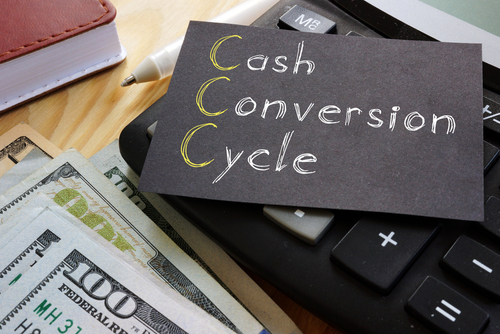 This metric, which is also referred to as the cash cycle or the net operating cycle, looks at the time a business takes to recover its investment in inventory to eventually sell. The process starts from selling its goods, collecting on outstanding receivables or invoices, and satisfying its operating costs with the sale proceeds. It’s normally measured in days to determine the company’s financial health.
 According to estimates, inflation adjustments to the Internal Revenue Code are expected to yield increases of 2.8 percent compared to 2024 amounts. This means wider tax brackets and increased exemptions, among other things. With the U.S. Bureau of Labor Statistics consumer price index (CPI) moderating, this increase is about 50 percent less than 2024’s inflation adjustment. Below, we’ll look at what the projected 2025 inflation adjustment means in terms of dollars and cents for you and your taxes.